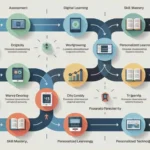
Modern digital life moves fast. Information flows constantly, systems evolve, and expectations for efficiency continue to rise. Yet many individuals and teams struggle with scattered workflows, unclear processes, and digital fatigue. This is where Lufanest becomes relevant. Rather than being a tool or platform, Lufanest represents a structured way of thinking about organization, clarity, and sustainable digital habits. It focuses on intentional systems that reduce friction, support focus, and scale with changing demands. Understanding this concept helps people regain control over complexity instead of reacting to it.
Understanding the Core Philosophy Behind Lufanest
At its core, Lufanest emphasizes structure without rigidity. It promotes the idea that digital systems should guide behavior, not constrain creativity. Many people confuse flexibility with freedom, but without structure, freedom often turns into disorder. Lufanest balances both by encouraging clear frameworks that still allow adjustment. This philosophy applies to file management, communication workflows, and decision making. When systems are designed intentionally, they reduce mental load and allow users to focus on meaningful work rather than constant problem solving.
Why Digital Overload Has Become a Real Problem
Digital overload is not caused by technology alone but by unmanaged complexity. Notifications, tools, platforms, and files compete for attention. Without defined boundaries, everything feels urgent. Over time, this leads to fatigue and inefficiency. Lufanest addresses overload by encouraging prioritization and defined pathways. Instead of reacting to every input, users operate within systems that filter noise. This approach restores control and improves long term productivity without requiring constant discipline or willpower.
The Role of Intentional Systems in Daily Work
Intentional systems shape behavior automatically. When workflows are clear, decisions become easier. People no longer waste energy choosing where to save files or how to respond to tasks. Lufanest encourages designing systems that answer common questions in advance. This reduces friction and inconsistency. Over time, these systems become invisible support structures. They guide daily work quietly while allowing flexibility when exceptions arise. Intentional design replaces improvisation with reliability.
How Lufanest Supports Long Term Consistency
Consistency is often misunderstood as repetition. In reality, consistency is about reliability. Lufanest supports long term consistency by focusing on habits instead of one time setups. Systems are designed to be easy to maintain, even during busy periods. When systems require too much effort, they collapse under pressure. Lufanest avoids this by prioritizing simplicity. As a result, users maintain clarity over months and years, not just during initial organization efforts.
Common Mistakes That Undermine Digital Organization
Many people over engineer their systems. Others rely on memory instead of structure. A frequent mistake is building complex frameworks that look impressive but are difficult to maintain. Another is constantly changing systems without reflection. Lufanest addresses these issues by emphasizing practicality. Systems should serve the user, not the other way around. When organization feels natural rather than forced, it becomes sustainable. Avoiding complexity is often the most effective strategy.
Practical Benefits for Individuals and Small Teams
For individuals, Lufanest reduces stress and decision fatigue. Clear systems mean less searching and fewer interruptions. For small teams, it improves collaboration and accountability. Everyone understands where information lives and how updates happen. This reduces duplication and miscommunication. Over time, productivity improves without additional tools. The benefit is not speed alone, but stability. Teams spend more time executing and less time clarifying expectations.
A Real World Example of Lufanest in Action
A remote marketing team struggled with missed deadlines and unclear ownership. Files were spread across platforms, and communication happened in multiple channels. By applying Lufanest principles, the team created defined workflows for content creation, feedback, and approval. They simplified file structures and clarified responsibilities. Within a month, turnaround times improved and internal frustration dropped. No new software was introduced. The change came from structure, not technology.
Key Principles That Guide the Lufanest Approach
- Clear structure that answers common questions in advance
- Simple systems that prioritize ease of use over perfection
- Regular reflection to refine workflows without disruption
These principles ensure that systems remain usable under pressure. Lufanest avoids rigid rules and instead focuses on reliable patterns. When principles guide decisions, systems remain adaptable without losing clarity. This balance is essential for long term success.
Balancing Flexibility and Control in Modern Systems
Too much control leads to resistance, while too much flexibility creates confusion. Lufanest sits between these extremes. It defines clear defaults while allowing thoughtful exceptions. Users can adapt systems without breaking them. This balance supports growth and change. As needs evolve, systems evolve too. The goal is not stability at all costs, but resilience. Systems that adapt survive longer and deliver consistent value.
The Importance of Habits Over Tools
Tools often receive too much attention. While tools matter, habits matter more. Lufanest focuses on repeatable behaviors such as consistent filing, regular reviews, and clear communication routines. These habits create order regardless of platform. When habits are strong, tools become interchangeable. This reduces dependency on specific software and protects workflows from disruption when tools change or become obsolete.
When and How to Refine Your Digital Systems
No system should remain static. Growth introduces new complexity. Lufanest encourages periodic review rather than constant change. Scheduled reflections allow users to identify friction points and adjust gently. Small improvements prevent large breakdowns. This approach maintains familiarity while improving performance. Reviewing systems quarterly or biannually keeps them aligned with real needs instead of outdated assumptions.
How Lufanest Fits the Future of Digital Work
Remote work, collaboration, and constant connectivity define modern workflows. Lufanest aligns with these realities by emphasizing clarity and shared understanding. It is not tied to any industry or role. Anyone managing digital information can benefit. As complexity increases, intentional structure becomes a competitive advantage. Lufanest provides a mindset that scales with change instead of collapsing under it.
Conclusion
Lufanest is not about control, perfection, or rigid systems. It is about intention. By focusing on structure, habits, and clarity, individuals and teams create environments that support focus and growth. Over time, this leads to less stress, better collaboration, and sustainable productivity. Start small, refine gradually, and allow Lufanest to guide how you manage digital complexity with confidence and purpose.