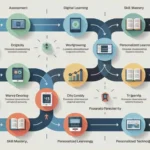
Technology evolves faster than most people can comfortably track. New platforms, tools, and digital behaviors appear almost daily, often wrapped in complex language. WhatsonTech exists to simplify that complexity and translate innovation into clarity. Instead of focusing on hype, it emphasizes understanding, relevance, and real-world application. Whether someone is a professional, student, or casual user, clear explanations reduce confusion and empower smarter decisions. WhatsonTech bridges the gap between advanced technology and everyday users by focusing on purpose, usability, and long-term impact rather than technical overload.
The Role of Technology in Everyday Life
Technology no longer sits in the background; it shapes how people communicate, work, learn, and relax. Smartphones, cloud platforms, and automation tools influence daily routines without users consciously noticing. WhatsonTech highlights these subtle influences by showing how digital systems support productivity, convenience, and connectivity. Understanding these roles helps users regain control instead of passively adapting. When people recognize how technology affects habits and decisions, they become more intentional in choosing tools that support efficiency rather than distraction.
Why Clear Tech Education Matters Today
Information overload is one of the biggest challenges of the digital era. Many technology sources assume prior knowledge, leaving beginners confused. WhatsonTech focuses on accessibility by breaking down concepts into understandable ideas without oversimplifying value. Clear education reduces fear and resistance toward new tools. It also enables informed choices, preventing dependency on trends that may not align with real needs. When technology is explained clearly, users gain confidence rather than anxiety.
How WhatsonTech Simplifies Complex Innovations
Modern innovations often involve layered systems such as artificial intelligence, cloud computing, or cybersecurity. WhatsonTech simplifies these by focusing on outcomes instead of mechanisms. Instead of describing how something works internally, it explains what it does, why it matters, and when to use it. This approach saves time and improves comprehension. Users do not need engineering backgrounds to benefit. They only need clarity, relevance, and context to make technology useful.
The Human Side of Digital Transformation
Technology adoption is not only technical; it is emotional and behavioral. People resist tools that feel overwhelming or disruptive. WhatsonTech acknowledges this human element by addressing concerns such as learning curves, trust, and adaptability. By presenting technology as a supportive partner rather than a replacement for human effort, it encourages balanced adoption. This perspective helps users integrate tools gradually and sustainably instead of abandoning them due to frustration.
Real-World Example of Technology in Action
A small retail business struggled with inventory tracking and customer communication. Manual processes caused delays and errors. After adopting a simple digital inventory tool explained through a WhatsonTech-style guide, the owner understood usage quickly. Within months, stock accuracy improved and customer satisfaction increased. The business did not require advanced systems, only clarity and proper guidance. This example shows how understanding, not complexity, drives success.
Core Areas Commonly Covered in Tech Learning
- Digital productivity tools and workflows
- Online security and privacy awareness
- Emerging trends such as automation and AI
These areas affect most users regardless of industry. WhatsonTech prioritizes practical relevance over novelty. By focusing on commonly faced challenges, it ensures information remains useful rather than theoretical. Users gain skills they can immediately apply, reinforcing learning through action rather than passive reading.
Balancing Innovation With Practical Use
Innovation often promises transformation but delivers confusion if poorly implemented. WhatsonTech emphasizes balance by encouraging users to evaluate usefulness before adoption. Not every new tool improves outcomes. Practical use depends on compatibility with existing habits and goals. This balanced view prevents wasted time and resource investment. Technology should solve problems, not create new ones. Clear evaluation criteria help users adopt selectively.
How Consistent Learning Builds Digital Confidence
Confidence grows through repetition and understanding. When users repeatedly engage with clear explanations, technology becomes familiar rather than intimidating. WhatsonTech supports consistent learning by reinforcing concepts across contexts. Over time, users recognize patterns and principles that apply broadly. This reduces dependency on constant tutorials and increases independent problem solving. Confidence transforms users from reactive participants into proactive decision makers.
Common Mistakes People Make With Technology
Many users adopt tools without understanding purpose. Others abandon systems prematurely due to minor difficulties. A frequent mistake is relying on advanced features while ignoring fundamentals. WhatsonTech addresses these issues by reinforcing foundational knowledge. When users understand basics first, advanced features become optional rather than overwhelming. Avoiding these mistakes leads to smoother adoption and long-term satisfaction.
Indicators of Healthy Digital Habits
- Technology supports goals instead of distracting from them
- Tools are reviewed and adjusted periodically
- Users feel informed rather than pressured
Healthy habits ensure sustainability. WhatsonTech promotes mindful engagement, encouraging users to reassess tools regularly. When technology aligns with purpose, it becomes an asset instead of a burden. This mindset reduces burnout and improves long-term productivity.
The Future of Technology Understanding
As systems grow more interconnected, understanding becomes more important than technical mastery. Users will increasingly rely on interpretation rather than operation. WhatsonTech aligns with this future by focusing on literacy over specialization. The ability to evaluate, adapt, and choose wisely will matter more than knowing every function. Clear interpretation will define digital competence in the coming years.
Conclusion:
Technology should empower, not overwhelm. WhatsonTech represents a shift toward clarity, intention, and human-centered understanding. By focusing on relevance, simplicity, and real-world application, it helps users navigate digital change with confidence. Instead of chasing trends, users learn to evaluate value. Start by understanding one tool at a time, apply knowledge deliberately, and let WhatsonTech guide smarter, calmer technology choices that truly support your goals.
FAQs
What is WhatsonTech focused on?
It focuses on explaining modern technology clearly, practically, and without unnecessary complexity.
Who can benefit from WhatsonTech-style content?
Professionals, students, business owners, and everyday users seeking clarity about technology.
Does it require technical background?
No, the approach is designed for all experience levels.
Why is clarity important in technology learning?
Clarity reduces confusion, builds confidence, and improves adoption success.