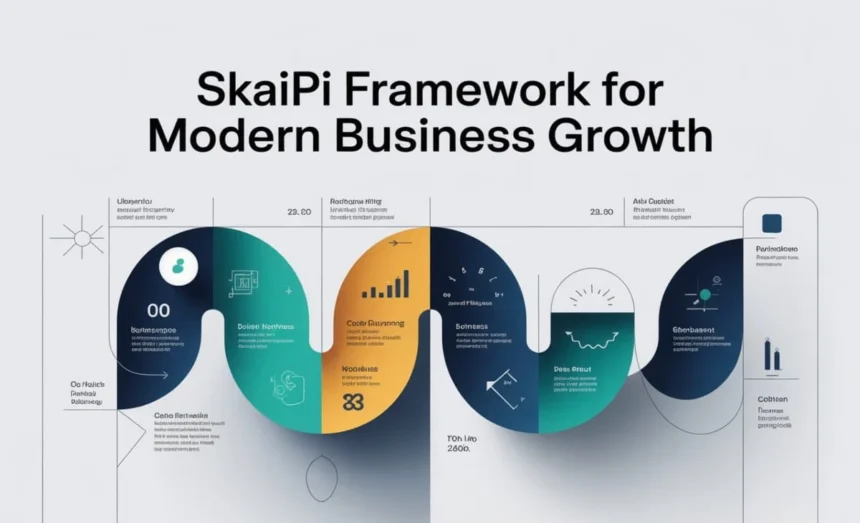
In today’s hyperconnected world, communication tools shape how businesses operate, collaborate, and expand. Yet many platforms focus only on speed, ignoring structure and long-term impact. This is where skaipi emerges as a modern framework for sustainable digital communication and strategic growth. Rather than being just another communication method, It represents a disciplined approach that integrates clarity, adaptability, and performance measurement. Organizations adopting this mindset experience stronger collaboration, improved productivity, and measurable long-term business progress.
The Core Concept Behind Skaipi
It is built on the idea that communication must serve strategic goals rather than exist as isolated activity. Many teams communicate constantly yet achieve limited alignment. The framework encourages intentional dialogue structured around measurable outcomes. Instead of reactive conversations, It promotes clarity of purpose before interaction begins. By defining objectives, expected results, and accountability, organizations transform communication into a productive growth engine that supports long-term operational stability and consistent performance improvements across departments.
Why Modern Businesses Need Structured Communication
Digital transformation has increased message volume but reduced meaningful alignment. Employees attend frequent meetings, exchange countless emails, and use multiple platforms simultaneously. Without structure, this activity creates noise instead of value. Businesses require a system that filters essential discussions from distractions. By implementing similar principles, organizations reduce confusion, protect focus time, and ensure every communication serves a measurable objective that contributes to broader company goals.
Strategic Alignment Through Skaipi
Strategic alignment ensures that communication supports business direction. It emphasizes connecting every conversation to a defined priority. Leaders clarify what success looks like before initiating collaboration. Teams understand how their discussions impact performance metrics and long-term strategy. This alignment reduces wasted effort and prevents contradictory initiatives from emerging. When communication reflects strategic priorities, productivity increases and organizational energy flows toward meaningful outcomes rather than scattered activities.
Building Accountability into Communication Systems
Accountability transforms conversation into action. It encourages clear ownership of tasks and defined follow-up timelines after every discussion. Without accountability, meetings become repetitive and decisions lose momentum. Structured summaries and assigned responsibilities ensure clarity. Teams know who is responsible for execution and when results are expected. This approach builds trust, reduces misunderstandings, and creates measurable progress within communication cycles across projects.
Key Components of the Skaipi Framework
It operates through essential elements that reinforce clarity and productivity:
- Defined purpose before initiating communication
- Clear role assignment during discussions
- Actionable outcomes documented immediately
- Scheduled follow-ups for performance tracking
These components transform communication from passive interaction into active strategic progress. When applied consistently, organizations see reduced inefficiencies and improved collaboration across departments.
Common Mistakes When Applying Skaipi
Organizations often misapply structured communication systems. Common errors include:
- Turning structure into excessive bureaucracy
- Ignoring feedback from frontline employees
- Focusing on tools rather than communication quality
- Skipping follow-up evaluations
These mistakes weaken effectiveness. Successful implementation requires balance, flexibility, and genuine leadership commitment to clarity and measurable results.
Technology’s Role in Supporting Skaipi
Technology enhances communication when aligned with strategy. Project management platforms, shared dashboards, and collaborative tools support skaipi principles by centralizing information. However, technology alone cannot replace intentional communication design. Businesses must define processes before selecting tools. Digital platforms should reinforce clarity and accountability rather than increase noise. When used correctly, technology strengthens collaboration, transparency, and performance measurement across teams.
Cultural Impact of Structured Communication
Communication culture influences morale, productivity, and trust. It promotes transparency, respect, and purposeful engagement. Employees feel valued when discussions remain focused and constructive. Reduced ambiguity lowers stress levels and enhances job satisfaction. Over time, structured communication builds confidence within teams. Employees understand expectations clearly and contribute more effectively to shared objectives. This cultural shift enhances innovation while maintaining disciplined execution standards.
Real-World Example of Skaipi in Action
A growing marketing agency struggled with missed deadlines and unclear responsibilities. Leadership introduced principles to restructure communication. Every meeting began with a defined objective and ended with documented action items assigned to specific team members. Weekly reviews evaluated progress against measurable targets. Within six months, project completion rates improved by thirty percent. The agency experienced higher client satisfaction and stronger internal coordination, proving that structured communication drives tangible results.
Measuring Performance with Skaipi Principles
Performance measurement ensures that communication contributes to business growth. It encourages tracking indicators such as project completion time, error reduction, and collaboration efficiency. Regular performance reviews provide insight into strengths and weaknesses within communication processes. Data-driven evaluation allows continuous refinement without disrupting workflow. Organizations that measure communication outcomes achieve steady improvement and avoid stagnation caused by unchecked inefficiencies.
Leadership’s Role in Successful Implementation
Leadership commitment determines whether structured communication systems succeed. Executives must model clarity, accountability, and discipline in their own interactions. If leaders ignore established protocols, teams quickly abandon them. It requires consistent reinforcement through training, review cycles, and visible accountability at all levels. When leadership demonstrates dedication, employees follow confidently. This top-down alignment ensures long-term sustainability and measurable impact.
Long-Term Scalability and Future Outlook
As businesses grow, communication complexity increases. It prepares organizations for scalability by establishing repeatable systems early. Structured processes prevent chaos during expansion and support cross-department collaboration. Predictable communication cycles enable faster onboarding and smoother project execution. By strengthening foundational communication practices, companies position themselves for sustainable growth in evolving markets. Scalability becomes manageable rather than overwhelming.
Conclusion
Unstructured communication wastes time, drains energy, and slows progress. It offers a disciplined yet flexible framework that aligns conversation with strategy, builds accountability, and drives measurable outcomes. Organizations that adopt this approach experience improved collaboration, stronger culture, and sustainable growth. If your team struggles with misalignment or inefficiency, implementing skaipi principles can transform your operations. Commit to clarity, measure results consistently, and turn communication into your most powerful strategic asset.