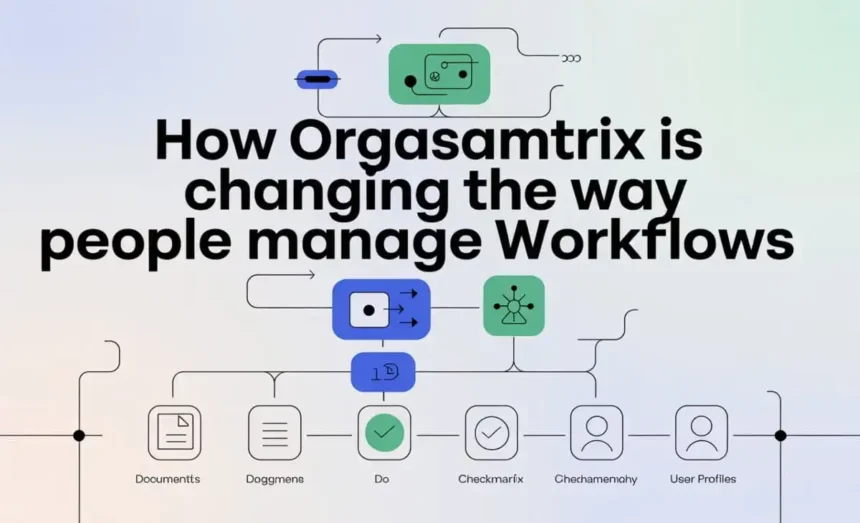
In today’s fast-moving digital world, people are constantly searching for systems that help them stay organized, productive, and focused. Workflows are becoming more complex, teams are working remotely, and digital tools are evolving quickly. This is where Orgasamtrix enters the conversation as a concept focused on structured productivity and smarter workflow management.
Instead of relying on scattered tools or random productivity tricks, It represents a more organized way of thinking about digital efficiency. It combines structured planning, simplified processes, and practical decision-making methods to help individuals and teams perform better.
Professionals today do not just want to work harder; they want to work smarter. They want systems that remove unnecessary friction and make everyday tasks easier to manage. It focuses exactly on that goal by encouraging clarity, structure, and intentional planning in both personal and professional environments.
As businesses continue to adapt to digital transformation, the need for practical productivity frameworks has never been higher. Whether someone is a freelancer, entrepreneur, or part of a growing organization, adopting structured productivity habits can make a significant difference.
This article explores the principles behind Orgasamtrix, how it helps streamline workflows, and why structured productivity systems are becoming essential for modern professionals.
Understanding the Core Idea Behind Orgasamtrix
At its core, It is about creating structured systems that simplify the way people manage work, information, and decisions. Many professionals struggle because their tasks, documents, and priorities are scattered across multiple platforms. Without structure, productivity becomes inconsistent and stressful.
It encourages individuals to build clear frameworks that guide daily operations. Instead of reacting to tasks randomly, the approach focuses on organizing responsibilities into logical categories. This helps reduce decision fatigue and improves overall clarity.
The idea is simple: when work is structured properly, people spend less time figuring out what to do and more time actually completing meaningful tasks.
Why Structured Productivity Systems Matter Today
The modern workplace is full of distractions. Emails, notifications, meetings, and project updates can easily overwhelm even experienced professionals. Without a clear structure, productivity often turns into constant multitasking with limited progress.
Structured systems help people focus on priorities rather than reacting to every incoming task. By defining clear workflows, individuals can process information more efficiently and avoid unnecessary confusion.
Another important factor is mental clarity. When tasks are organized properly, people feel less stressed and more in control of their workload. This leads to better decision making and stronger long-term performance in both individual and team environments.
How Orgasamtrix Improves Daily Workflows
One of the biggest advantages of Orgasamtrix is its focus on simplifying daily workflows. Instead of adding complexity, the framework encourages people to remove unnecessary steps from their processes.
For example, many professionals switch between several tools just to complete one task. A structured workflow reduces this inefficiency by creating consistent systems that guide task execution.
When processes are simplified, productivity increases naturally. People no longer waste time searching for information or reorganizing tasks repeatedly. Instead, they move through their responsibilities with a clear plan and a consistent structure that supports long-term efficiency.
The Role of Digital Organization in Modern Productivity
Digital organization plays a central role in professional success today. Documents, communication, and projects all exist in digital environments, which means proper organization is essential for productivity.
It emphasizes the importance of creating logical digital structures. This includes organized file systems, clear project categories, and simplified information storage methods.
When digital resources are easy to access, teams collaborate more effectively and individuals work faster. Instead of losing time searching through cluttered folders or outdated files, professionals can immediately access the information they need to continue their work.
This small change alone can significantly improve efficiency.
Key Elements of an Effective Orgasamtrix System
Building a productive system requires more than motivation. It requires structure and consistency. The Orgasamtrix approach highlights several essential elements that support long-term productivity.
- Clear task prioritization
- Structured project workflows
- Organized digital storage
- Consistent review processes
- Simplified communication channels
When these elements work together, productivity becomes easier to maintain. Instead of constantly adjusting workflows, professionals can rely on a stable structure that supports daily progress.
Over time, this structured approach reduces stress and improves overall work performance.
Common Productivity Challenges Professionals Face
Despite having access to advanced tools, many professionals still struggle with productivity. The problem is not usually the lack of technology but the absence of structure.
Some common challenges include:
- Task overload and unclear priorities
- Scattered information across multiple platforms
- Inefficient communication systems
- Lack of consistent workflows
- Frequent distractions during work hours
These issues can slowly reduce efficiency and create frustration. Without a structured approach, professionals often spend more time managing tasks than actually completing them.
Recognizing these challenges is the first step toward building a better productivity system.
Real-World Example of a Structured Productivity Transformation
Consider a small digital marketing agency that manages multiple clients at the same time. Initially, the team stored files across different cloud platforms, communicated through scattered messaging apps, and tracked tasks manually.
As the workload increased, confusion became a daily problem. Deadlines were missed, and team members frequently asked each other for information that should have been easy to find.
After implementing a structured productivity system similar to the Orgasamtrix approach, the agency reorganized its workflows. All projects were placed in centralized dashboards, documents were stored in categorized folders, and task management became consistent.
Within a few months, the team noticed a clear improvement. Projects moved faster, communication became clearer, and employees felt less overwhelmed by their responsibilities.
How Teams Can Apply Orgasamtrix Principles
Teams can benefit greatly from structured productivity systems. When everyone follows the same workflow standards, collaboration becomes much easier.
For example, shared task boards allow team members to track progress without constant status meetings. Standardized file naming systems prevent confusion when searching for documents.
Another important step is defining clear responsibilities. When team members understand their roles and workflows, they spend less time asking questions and more time completing their assigned tasks.
Consistency is key. Once a structured system is implemented, teams should maintain it regularly to ensure long-term efficiency.
The Psychological Benefits of Organized Work Systems
Productivity systems are not only about efficiency. They also influence mental well-being. Disorganized workflows can create constant stress because people feel overwhelmed by unfinished tasks and scattered information.
Structured systems reduce this pressure. When work is organized properly, professionals gain a clearer understanding of their responsibilities.
This sense of control helps improve motivation and confidence. Instead of feeling lost in a chaotic workflow, individuals can focus on making steady progress toward their goals.
Over time, this improved mental clarity leads to better work quality and more sustainable productivity habits.
Avoiding Common Mistakes in Productivity Systems
Many productivity systems fail because they become too complicated. Some people create overly detailed processes that require constant maintenance.
The goal of Orgasamtrix is simplicity. Productivity systems should support work, not create additional tasks.
Professionals should focus on removing unnecessary steps and building processes that are easy to maintain. If a system requires constant adjustments, it may be too complex.
Another common mistake is inconsistency. A productivity framework only works if it is used regularly. Maintaining clear habits ensures that the system continues to provide long-term benefits.
Building Long-Term Productivity Habits
Successful productivity systems rely on consistent habits rather than short bursts of motivation. Professionals who follow structured routines often achieve better long-term results.
Daily planning sessions, weekly reviews, and clear task prioritization are simple practices that support long-term productivity. These habits help individuals stay aligned with their goals.
Another important factor is flexibility. Productivity systems should evolve as work environments change. Small adjustments allow professionals to maintain efficiency without completely redesigning their workflows.
This balanced approach ensures that productivity systems remain practical and sustainable over time.
The Future of Productivity Frameworks
As technology continues to evolve, productivity frameworks will become even more important. Artificial intelligence, automation tools, and digital collaboration platforms are transforming the way people work.
However, technology alone does not guarantee efficiency. Without structured systems, even the most advanced tools can become overwhelming.
Frameworks like it highlight the importance of combining technology with clear organizational principles. By focusing on structured workflows and intentional planning, professionals can adapt more easily to the changing digital environment.
The future of work will belong to those who understand how to organize information, manage tasks effectively, and maintain clarity within complex digital ecosystems.
Conclusion
In a world filled with digital tools and constant information flow, productivity depends on structure more than ever before. Random productivity tips may provide temporary motivation, but lasting efficiency requires a clear system.
It represents a structured approach that helps professionals simplify workflows, organize digital environments, and focus on meaningful work. By reducing unnecessary complexity, individuals and teams can perform more effectively without feeling overwhelmed.
The key lesson is simple: productivity is not about doing more tasks. It is about doing the right tasks within a well-organized system.
If professionals take the time to build structured workflows, they can unlock greater efficiency, improve collaboration, and maintain a healthier relationship with their work. Over time, these systems create a stronger foundation for long-term success in an increasingly complex digital world.