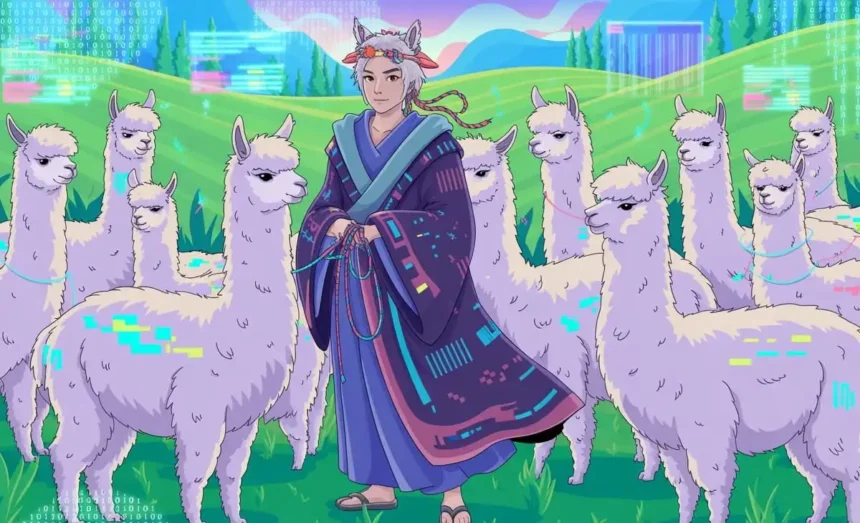
Hitsujikai Arupaka is a unique term that has drawn attention across online platforms, creative spaces, and niche communities. While it may sound unfamiliar at first, its growing presence in searches and discussions suggests a deeper cultural and symbolic relevance. Rather than being tied to a single definition, Hitsujikai Arupaka represents a blend of linguistic creativity, identity expression, and digital-era symbolism.
What Is Hitsujikai Arupaka?
It is best described as a symbolic or stylized term rather than a traditional dictionary word. It appears to combine elements that feel cultural, artistic, and expressive, which is why it often stands out in digital conversations.
The term does not belong to a widely recognized language system, yet it carries a strong aesthetic and emotional presence. Many people encounter Hitsujikai Arupaka in usernames, creative projects, or online references, prompting curiosity about its meaning and background. Its strength lies in interpretation rather than literal translation.
Linguistic and Conceptual Meaning
From a conceptual perspective, it functions as an identity marker. It does not rely on strict grammar rules or fixed definitions. Instead, it gains meaning through context, usage, and intention.
This type of term is common in modern digital culture. People create or adopt unique phrases to express individuality, creativity, or belonging. It fits this pattern by offering a flexible identity that can adapt to different interpretations without losing its core uniqueness.
Possible Origins of Hitsujikai Arupaka
The exact origin of Hitsujikai Arupaka is not formally documented, which adds to its mystery. It may draw inspiration from stylized language structures often associated with artistic or fictional naming.
In many cases, such terms emerge organically from creative experimentation. A name might begin as a personal alias, a fictional concept, or a symbolic label and then spread through repeated use. Over time, recognition grows, even without a clear historical starting point.
Cultural Interpretation and Symbolism
It often feels symbolic rather than literal. Its structure suggests a blend of softness and strength, tradition and modernity. This balance is appealing in creative and cultural contexts.
Symbols like this allow people to project their own meanings onto them. For some, it may represent calm or individuality. For others, it may symbolize creativity, mystery, or digital identity. This openness is a key reason such terms remain relevant.
Hitsujikai Arupaka in Digital Culture
In digital environments, uniqueness is highly valued. Hitsujikai Arupaka stands out visually and phonetically, making it memorable. This helps explain why it appears in online profiles, creative works, and search queries.
Digital culture encourages experimentation with names and language. People want identifiers that are distinct and expressive. It meets these needs without being tied to mainstream trends.
Why People Search for Hitsujikai Arupaka
People search for Hitsujikai Arupaka mainly due to curiosity. They may encounter it in a username, artwork, or discussion and want to understand its meaning or background.
This type of search intent is informational rather than transactional. Users are not looking to buy something; they want context and explanation. Providing clear, honest information helps satisfy that curiosity and builds trust.
Creative Uses of Hitsujikai Arupaka
It has strong appeal in creative fields. Artists, writers, and digital creators often prefer names that are flexible and original. Because the term is not locked into one meaning, it can support many creative directions.
Creators may use it as a project name, character identity, or symbolic theme. Its uniqueness allows it to grow alongside the creative work, rather than limiting it.
Hitsujikai Arupaka in Branding and Identity
From a branding perspective, it offers several advantages:
- It is highly unique and memorable
- It has little to no keyword competition
- It allows full control over meaning and narrative
These qualities make it suitable for experimental brands, creative collectives, or digital projects that value originality over familiarity.
SEO Perspective on Hitsujikai Arupaka
It is a low-competition keyword with curiosity-driven searches. This makes it attractive from an SEO standpoint. Content that explains the term clearly and responsibly can rank more easily.
Because users seek understanding, long-form informational content performs well. Adding related concepts like digital identity, symbolism, and cultural expression improves relevance while keeping the focus clear.
Real-World Example of Symbolic Naming
A common example in digital culture is how abstract names evolve into recognized identities. Many creators start with a unique alias that has no defined meaning. Over time, the work associated with that name gives it value.
Hitsujikai Arupaka fits this pattern. Its meaning grows as people interact with it, reference it, and assign their own interpretations. This is how symbolic names gain lasting presence.
Ethical and Responsible Interpretation
When discussing terms like Hitsujikai Arupaka, it is important to avoid assumptions. Not every unique name hides a complex story or controversy. Often, simplicity and creativity are the core reasons behind such terms.
Responsible content focuses on explanation rather than speculation. This approach respects creators and readers alike while maintaining informational quality.
The Future of Hitsujikai Arupaka
The future of Hitsujikai Arupaka depends on continued use and community adoption. If creators and communities continue to reference it, its symbolic value may grow.
Even if it remains niche, it serves as an example of how modern language and identity evolve online. Its existence highlights creativity, individuality, and the power of naming in the digital age.
Conclusion
It is more than just an unusual phrase. It represents how modern digital culture creates meaning through creativity, usage, and shared interpretation. Without relying on strict definitions, it allows flexibility, expression, and identity.
As people continue to search for and use Hitsujikai Arupaka, its relevance lies in curiosity and symbolism rather than formal classification. Understanding this helps us appreciate how language and identity continue to evolve online.