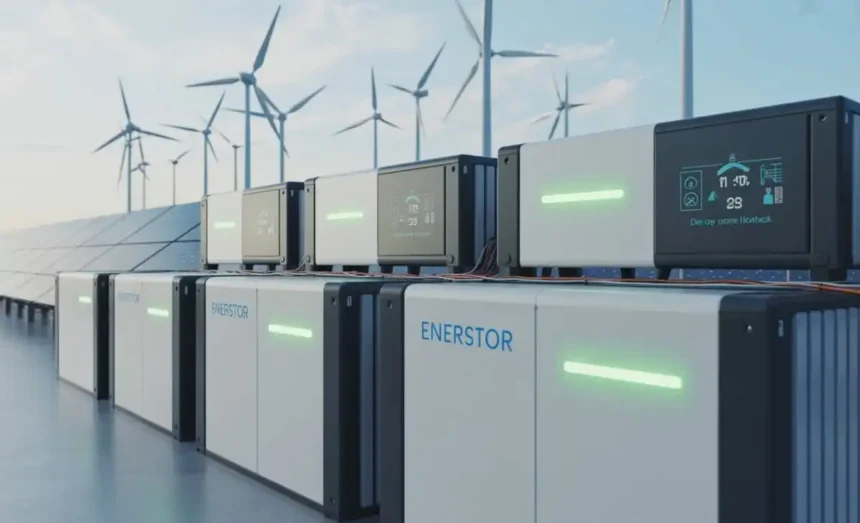
Energy has become the backbone of modern life, yet the way it is stored, managed, and distributed is undergoing a major transformation. As industries, cities, and households search for cleaner and more efficient solutions, new frameworks are emerging to address long-standing challenges. One such concept gaining attention is Enerstor. Rather than being limited to a single technology, Enerstor represents a broader approach to energy storage, efficiency, and strategic control. It focuses on reliability, adaptability, and long-term sustainability, making it increasingly relevant in a rapidly changing energy landscape.
Understanding the Core Idea of Enerstor
Enerstor is best understood as a system-driven approach to managing energy resources intelligently. It emphasizes storing energy efficiently and releasing it when demand is highest. Unlike traditional models that rely heavily on constant generation, Enerstor prioritizes balance. Energy is captured, preserved, and optimized to reduce waste. This concept aligns with modern needs, where consistency and resilience matter more than raw production. By focusing on strategic storage and distribution, Enerstor creates stability in environments where energy demand is unpredictable.
Why Energy Storage Matters More Than Ever
Energy generation alone is no longer sufficient to meet modern demands. Renewable sources such as solar and wind are powerful, but they are also intermittent. Enerstor addresses this challenge by ensuring energy is available when needed, not just when produced. This reliability supports industries, hospitals, and communities that cannot afford outages. As energy usage grows globally, storage systems become essential for maintaining continuity and reducing dependency on fossil fuels.
Enerstor and the Shift Toward Sustainable Systems
Sustainability is not only about producing clean energy but also about using it wisely. Enerstor supports sustainability by minimizing energy loss and maximizing efficiency. When energy is stored properly, less is wasted during peak production times. This reduces strain on power grids and lowers emissions. Over time, this approach contributes to a cleaner environment and more responsible resource management, aligning economic growth with environmental responsibility.
The Role of Enerstor in Modern Infrastructure
Modern infrastructure demands flexibility. Cities rely on complex networks that power transportation, communication, and essential services. Enerstor integrates into these systems by acting as a buffer between supply and demand. It allows infrastructure to adapt to sudden changes without disruption. Whether during peak usage hours or unexpected outages, stored energy ensures continuity. This makes Enerstor a valuable component of resilient urban planning and smart city development.
Key Advantages of Enerstor Systems
It is offers several practical benefits that make it appealing across sectors:
- Improved energy reliability and reduced downtime
- Better integration with renewable energy sources
- Lower long-term operational costs through efficiency
- Enhanced grid stability during peak demand
These advantages demonstrate why organizations are increasingly exploring structured energy storage strategies rather than relying solely on generation.
Enerstor in Industrial and Commercial Settings
Industries face constant pressure to maintain productivity while controlling costs. Enerstor helps by providing predictable energy access. Manufacturing plants, data centers, and logistics hubs benefit from stored energy during high-demand periods. This reduces reliance on expensive peak-hour electricity and protects operations from power interruptions. Over time, this consistency improves planning, reduces risk, and strengthens operational resilience.
A Real-World Example of Enerstor in Action
Consider a mid-sized manufacturing facility that operates around the clock. Previously, energy costs fluctuated heavily due to peak pricing and unexpected outages. After implementing an Enerstor-based storage system, the facility began storing excess energy during low-cost periods. During peak hours, stored energy was used instead of drawing from the grid. The result was lower energy bills, fewer disruptions, and improved production consistency. This real-world application highlights how strategic storage delivers measurable value.
Enerstor and Renewable Energy Integration
Renewable energy adoption often faces one key obstacle: inconsistency. It is bridges this gap by capturing excess renewable energy and storing it for later use. This makes solar and wind power more dependable. Instead of wasting surplus energy during high production periods, it is preserved and distributed when generation drops. This synergy strengthens renewable systems and accelerates the transition toward cleaner energy models.
Challenges to Implementing Enerstor Solutions
Despite its benefits, It is implementation requires careful planning. Initial setup costs, system design, and maintenance considerations can be barriers. Organizations must assess their energy patterns and storage needs accurately. Without proper analysis, storage systems may be underutilized or inefficient. However, with informed decision-making and gradual adoption, these challenges can be effectively managed.
The Future Potential of Enerstor
As technology advances, It is expected to evolve further. Smarter monitoring systems, automation, and predictive analytics will enhance performance. These innovations will allow energy systems to respond dynamically to usage patterns. Over time, Enerstor could become a standard component of both residential and industrial energy setups, shaping how societies consume and conserve power.
How Enerstor Supports Long-Term Energy Planning
Long-term planning requires stability and foresight. It is contributes by offering predictable energy availability and reduced exposure to market volatility. Organizations can forecast costs more accurately and align energy strategies with growth plans. This stability is especially valuable in uncertain economic and environmental conditions, where adaptability is crucial.
Conclusion:
It is more than a storage concept; it is a strategic mindset for modern energy management. By prioritizing efficiency, reliability, and sustainability, it addresses the limitations of traditional energy models. From industrial facilities to urban infrastructure, It is offers practical solutions that align with future needs. As energy demands continue to grow, adopting smarter storage approaches will be essential. Embracing Enerstor today means building a more resilient, cost-effective, and sustainable energy future.
FAQs
Q1: What is Enerstor?
It is a structured approach to energy storage that focuses on efficiency, reliability, and smart energy distribution.
Q2: How does Enerstor support renewable energy?
It is stores excess renewable energy and releases it during low production periods, improving consistency and reliability.
Q3: Is Enerstor suitable for businesses?
Yes, It is helps businesses reduce energy costs, manage peak demand, and maintain operational continuity.
Q4: What are the main benefits of Enerstor?
Key benefits include energy efficiency, reduced downtime, grid stability, and long-term sustainability.
Q5: Is Enerstor a technology or a system?
It is a system-based framework that can integrate multiple energy storage technologies.