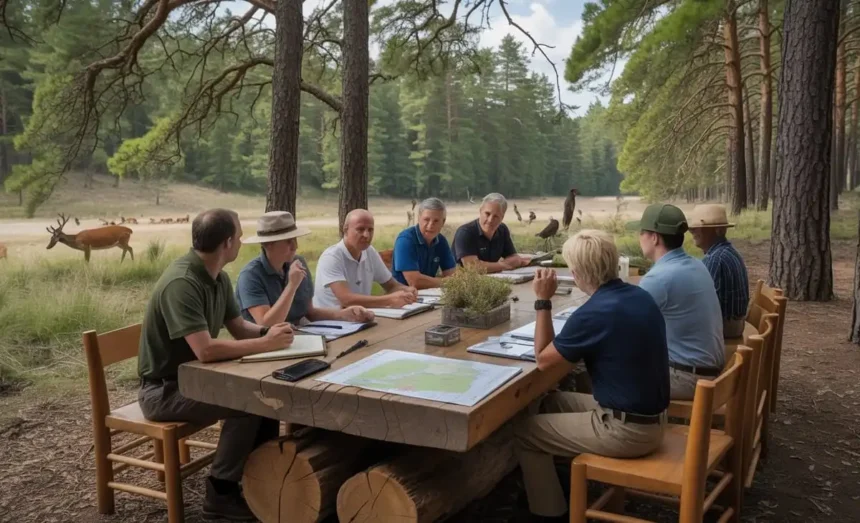
Wildlife management is an essential part of maintaining ecological balance and protecting both animals and communities. In several regions, local committees take responsibility for handling hunting regulations, conservation planning, and animal population control. One important example of such a system is Viltnemnda, a local wildlife management body that plays a key role in overseeing sustainable interaction between humans and nature.
Whether it involves regulating hunting seasons or ensuring animal welfare, it works at the community level to make practical decisions that protect ecosystems.
What Is Viltnemnda
It refers to a local wildlife or game management committee typically responsible for overseeing wildlife related matters within a municipality or region. The term is often associated with Scandinavian governance models, where local authorities collaborate with communities to manage natural resources responsibly.
Rather than relying only on national policies, Viltnemnda ensures that decisions reflect local conditions. This localized approach allows better understanding of animal populations, habitat challenges, and community needs, leading to more effective wildlife protection.
The Core Purpose of Viltnemnda
The primary goal of Viltnemnda is to balance conservation with responsible use of wildlife resources. Communities often depend on nature for food, recreation, and livelihood. Without proper management, overhunting or habitat destruction can threaten biodiversity.
It aims to prevent these risks by setting guidelines and supervising wildlife activities. It ensures that animal populations remain stable while allowing sustainable hunting and outdoor practices. This balance helps preserve both ecosystems and cultural traditions linked to nature.
Key Responsibilities
It handles multiple duties to keep wildlife systems organized and safe.
- Setting local hunting rules and seasons
- Monitoring animal populations
- Issuing permits and licenses
- Handling wildlife conflicts
- Supporting conservation projects
- Educating the public about wildlife safety
These responsibilities allow the committee to maintain order while protecting animals and habitats from misuse or harm.
How Viltnemnda Supports Wildlife Conservation
Conservation is more than simply protecting animals. It involves maintaining habitats, preventing overpopulation, and ensuring ecological stability. It plays an active role by observing changes in local wildlife trends and responding quickly.
If certain species decline, hunting limits may be reduced. If populations grow too quickly and threaten crops or safety, controlled measures may be introduced. This flexible strategy allows conservation efforts to adapt to real world conditions rather than fixed rules.
Decision Making Process Inside Viltnemnda
It usually consists of appointed members who understand environmental science, local geography, and community needs. Decisions are often made through meetings and discussions based on reports and data.
The committee studies animal counts, migration patterns, and feedback from residents. By combining scientific information with local experience, it can make practical and informed choices. This collaborative approach leads to fair and transparent wildlife management.
Benefits of Having a Local Wildlife Committee
Local wildlife committees offer several advantages compared to centralized control systems.
- Faster response to local issues
- Better understanding of regional ecosystems
- Stronger communication with residents
- More accurate data collection
- Greater community trust and involvement
Because decisions are made close to the affected area, solutions tend to be more effective and realistic.
Viltnemnda and Responsible Hunting Practices
Hunting remains an important tradition and management tool in many areas. However, without regulation it can harm wildlife populations. It ensures that hunting is conducted responsibly and ethically.
By setting quotas, seasons, and permit requirements, the committee prevents overhunting. It also promotes safety standards and proper techniques. This way, hunting supports conservation instead of threatening it. Responsible practices protect both wildlife and hunters themselves.
Handling Human and Wildlife Conflicts
As communities expand, interactions between humans and animals increase. Sometimes wildlife damages crops, enters urban areas, or creates safety concerns. These conflicts require careful handling rather than aggressive solutions.
It helps mediate such situations by finding balanced responses. This might include relocation, preventive measures, or controlled population adjustments. The goal is always to protect both people and animals while minimizing harm on either side.
Public Awareness and Education Efforts
Education is a vital part of wildlife management. Many problems occur simply because people lack awareness about nature and regulations. it often conducts awareness programs to inform the public.
These programs teach safe outdoor behavior, conservation values, and legal requirements. When communities understand the reasons behind rules, they are more likely to cooperate. Education strengthens long term protection efforts and builds respect for natural ecosystems.
Modern Challenges Facing
Today, wildlife management faces new challenges such as climate change, habitat loss, and urban growth. These issues make the role of Viltnemnda even more important. Animal migration patterns may change, and traditional practices may need adjustment.
Technology and research help committees track these changes, but continuous adaptation is necessary. It must stay flexible and innovative to address evolving environmental conditions while still protecting biodiversity.
The Future of Viltnemnda in Sustainable Ecosystems
As sustainability becomes a global priority, local management systems like Viltnemnda are gaining recognition. Their community focused model shows how grassroots governance can support conservation effectively.
By combining science, tradition, and local participation, it provides a practical framework for protecting wildlife. Other regions may even adopt similar systems to improve their own environmental policies.
Conclusion
In a world where environmental challenges continue to grow, local action is more important than ever. Viltnemnda demonstrates how community based wildlife management can create lasting positive impact. Through regulation, conservation, education, and cooperation, it helps maintain harmony between people and nature.
Understanding the role of Viltnemnda highlights the importance of responsible decision making at the local level. By supporting such committees, communities can protect wildlife, preserve ecosystems, and ensure sustainable use of natural resources for future generations.