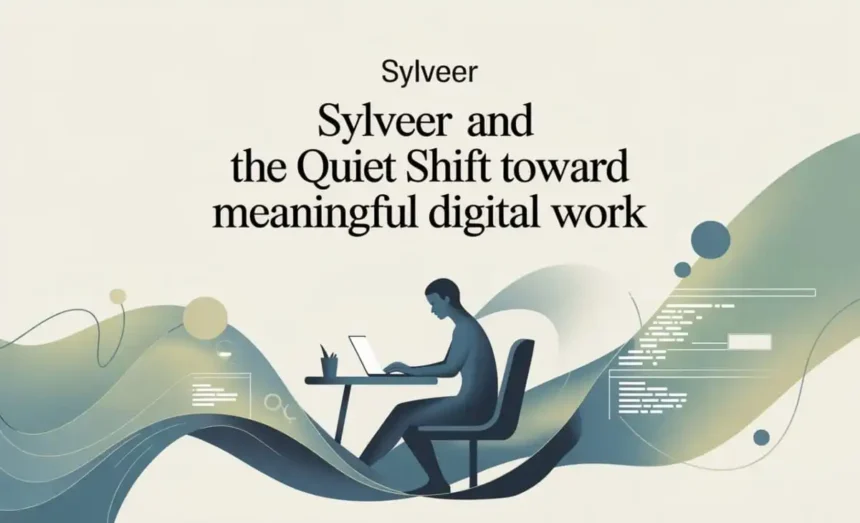
The modern digital world moves fast, but speed alone does not create progress. Many professionals feel busy yet disconnected, productive yet unfulfilled. This growing tension has created space for a quieter movement focused on intention, clarity, and sustainable output. Sylveer represents this shift in thinking. It reflects a mindset where work is shaped deliberately, tools are chosen carefully, and outcomes matter more than noise. Instead of chasing trends, this approach prioritizes depth, consistency, and thoughtful execution. As digital environments become more crowded, creators and professionals increasingly seek frameworks that restore control and purpose. This article explores that evolution and explains how Sylveer aligns with the need for calmer, more focused digital work.
Understanding the Core Philosophy Behind Sylveer
At its core, Sylveer is about reducing friction between ideas and execution. It does not push radical change or extreme minimalism but promotes intentional choices. Professionals adopting this philosophy aim to simplify without sacrificing quality. The focus stays on removing unnecessary complexity while protecting creative identity. Rather than adding more tools, it emphasizes refining processes. This mindset supports clarity in planning, communication, and delivery. Over time, it helps individuals maintain momentum without burnout. By aligning effort with outcomes, work feels purposeful instead of overwhelming. Sylveer encourages thoughtful structure while leaving room for flexibility and growth.
Why Digital Noise Is Draining Modern Professionals
Constant notifications, endless tools, and competing priorities fragment attention. Many professionals feel mentally exhausted before meaningful work even begins. This noise reduces decision quality and slows progress. When everything demands attention, nothing receives it fully. Over time, productivity becomes reactive rather than intentional. Sylveer addresses this challenge by encouraging boundaries around tools, communication, and workflows. It promotes fewer inputs and clearer priorities. As distractions decrease, focus deepens. This shift allows individuals to regain mental energy and work with greater confidence. Reducing noise is not about doing less work but about doing the right work with presence.
The Role of Intentional Systems in Daily Work
Systems quietly shape how work flows each day. Poor systems create friction, while thoughtful ones create ease. Sylveer highlights the importance of systems that support human behavior rather than fight it. Instead of rigid frameworks, it encourages adaptable structures. These systems capture ideas, guide execution, and support review without feeling heavy. When systems are clear, decision fatigue drops. Individuals spend less time organizing and more time creating. Over time, consistent systems build trust in the process. This reliability allows professionals to focus on quality outcomes instead of constant adjustments or corrections.
Balancing Creativity and Structure Without Conflict
Creativity thrives with freedom, yet structure provides stability. Many struggle to balance these forces. Too much structure feels restrictive, while too little leads to chaos. Sylveer reframes this balance by treating structure as a support rather than a constraint. Light frameworks protect creative energy by removing unnecessary decisions. Clear stages for ideation, refinement, and delivery allow creativity to flow naturally. This balance ensures ideas are not lost or delayed. When creativity and structure coexist, work becomes both expressive and reliable. The result is output that feels authentic and consistently delivered.
Tools That Align With the Sylveer Mindset
Choosing tools becomes intentional under the Sylveer approach. Instead of adopting every new platform, professionals evaluate tools based on usefulness and reliability. A small, trusted stack often replaces large, complex ecosystems. This reduces learning curves and maintenance time. Tools should adapt to the user, not demand constant attention. When tools align with workflow, productivity increases naturally. The focus remains on output, not configuration. Over time, fewer tools lead to deeper mastery and confidence. This simplicity strengthens long-term efficiency and reduces the mental load associated with digital work.
Decision-Making With Clarity and Confidence
Clear decision-making is essential for sustainable productivity. Sylveer encourages filtering decisions through impact rather than urgency. This reduces reactive behavior and promotes strategic thinking. Instead of responding to everything immediately, individuals pause and evaluate value. This approach minimizes regret and rework. Decisions become consistent and aligned with long-term goals. Over time, confidence grows as outcomes improve. When decisions are grounded in clarity, work feels intentional rather than rushed. This mindset helps professionals stay focused even when demands increase, protecting both quality and mental well-being.
Real-World Example of Sylveer in Action
A freelance consultant managing multiple clients struggled with missed deadlines and mental fatigue. By adopting the Sylveer mindset, they reduced their tool stack to three essentials. Clear work blocks replaced constant availability. Weekly reviews helped refine priorities. Within months, output quality improved while working fewer hours. Clients noticed better communication and faster turnaround. Stress levels dropped significantly. This real-world shift shows how intentional systems and reduced noise create tangible results. Sylveer did not add complexity but removed friction, allowing consistent, focused work without sacrificing creativity or client satisfaction.
Building Sustainable Work Habits Over Time
Sustainability requires consistency, not intensity. Sylveer emphasizes habits that support long-term performance. Small, repeatable actions replace bursts of overwork. This includes realistic planning, regular reviews, and protected focus time. By respecting natural energy cycles, professionals avoid burnout. Sustainable habits improve reliability and trust, both internally and externally. Over time, work becomes predictable in a positive way. Progress feels steady rather than chaotic. These habits support growth without exhaustion, allowing individuals to maintain high standards while preserving personal well-being and motivation.
Two Key Practices That Support This Approach
Practice One: Reducing Cognitive Load
- Limit daily priorities to what truly matters
- Use simple capture systems for ideas
- Avoid multitasking during deep work sessions
- Review and clear tasks regularly
Reducing cognitive load frees mental space. This allows deeper thinking and better execution. When the mind is not overloaded, creativity and problem-solving improve naturally.
Maintaining Focus in High-Pressure Environments
High-pressure environments test any system. Sylveer supports focus by reinforcing boundaries. Clear expectations, realistic timelines, and protected work blocks reduce chaos. Instead of reacting to urgency, professionals rely on systems to guide responses. This creates stability even during peak demands. Focus becomes a practiced skill rather than a fragile state. Over time, individuals develop resilience against distractions. This consistency allows quality work even when pressure increases, ensuring standards remain intact without sacrificing mental health.
Two Additional Habits That Strengthen Results
Practice Two: Reviewing and Refining Systems
- Conduct weekly process reviews
- Remove tools or steps that add friction
- Document lessons learned briefly
- Adjust systems based on real usage
Regular refinement keeps systems relevant. This prevents stagnation and ensures workflows evolve with changing needs. Continuous improvement strengthens confidence and efficiency.
Long-Term Impact on Professional Identity
Over time, consistent work habits shape professional identity. Sylveer supports an identity rooted in reliability, clarity, and thoughtful execution. Colleagues and clients recognize consistency and trust builds naturally. This reputation opens opportunities without aggressive self-promotion. Work speaks for itself. Professionals feel aligned with their values rather than chasing external validation. This alignment reduces stress and increases satisfaction. When identity and process align, work becomes an extension of purpose rather than a source of constant pressure.
Conclusion:
In a world filled with digital clutter, choosing intention is a powerful act. Sylveer represents a return to meaningful work built on clarity, focus, and sustainable systems. It does not demand perfection but encourages thoughtful progress. By reducing noise, refining systems, and respecting creative energy, professionals regain control of their work. This approach supports growth without burnout and quality without chaos. If you seek deeper focus, consistent output, and long-term satisfaction, adopting the principles behind Sylveer may be the most valuable shift you make. Start simplifying today and let intention guide your work forward.