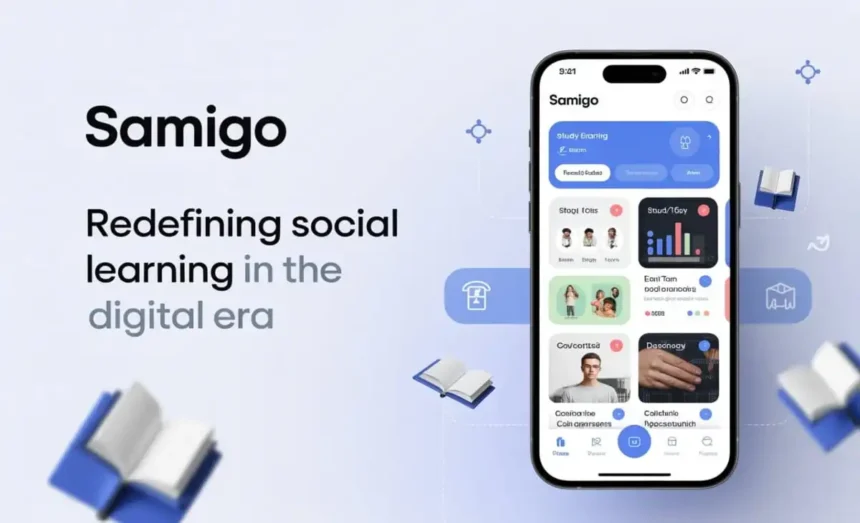
In a world where mobile technology shapes how people connect, collaborate, and learn, educational platforms are evolving rapidly. Traditional learning methods are being replaced by interactive, gamified, and community-driven experiences. This is where the samigo app enters the conversation. Designed to merge education with engagement, the samigo app offers a dynamic environment that encourages participation, competition, and collaboration in a structured digital space.
As learning increasingly shifts online, students and professionals seek tools that are not only functional but motivating. Platforms that combine knowledge sharing with social interaction tend to outperform static systems. The rise of interactive educational apps signals a broader transformation in how knowledge is delivered and absorbed. In this article, we explore how this modern platform is reshaping learning experiences, why it stands out, and how users can benefit from its features in real-world scenarios.
The Evolution of Digital Learning Platforms
Digital learning has undergone significant transformation over the last decade. Early e-learning systems focused primarily on content delivery, often replicating textbook structures in digital form. While convenient, these platforms lacked interaction and engagement. Modern learners expect more than passive reading or video watching. They want feedback, real-time collaboration, and measurable progress tracking.
Mobile-first design has further accelerated innovation. Learning platforms now integrate quizzes, discussion boards, gamification, and analytics into one seamless interface. These developments reflect the need for personalized and interactive experiences. As digital natives demand engaging formats, educational technology continues to prioritize usability, motivation, and measurable outcomes, reshaping the entire learning ecosystem.
How the samigo app Enhances Engagement
The samigo app focuses on active participation rather than passive consumption. By integrating interactive quizzes, live competitions, and collaborative tasks, it encourages users to remain involved throughout the learning process. Gamified elements such as leaderboards and instant feedback foster healthy competition and boost motivation.
Engagement is central to retention. When learners actively participate, they absorb information more effectively. Instead of simply reviewing content, users test their knowledge in real time. This approach creates an environment where mistakes become learning opportunities. The structured yet dynamic format ensures users remain focused, making learning both productive and enjoyable.
Key Features That Drive Success
One of the reasons educational apps gain popularity is their feature set. Successful platforms combine usability with innovation. The samigo app incorporates several essential components that enhance both individual and group learning experiences.
- Real-time quizzes that provide instant feedback and performance analytics
- Leaderboards that promote healthy competition among participants
- Customizable learning modules for instructors or team leaders
- Integration with existing learning management systems
These features create a balanced environment where structure meets flexibility. By offering both competitive and collaborative tools, the platform adapts to various educational contexts. Whether used in classrooms or corporate settings, its design supports measurable improvement and sustained engagement.
Benefits for Students and Educators
Students benefit from interactive systems that encourage participation rather than memorization. Educators, on the other hand, require tools that simplify management while delivering measurable outcomes. The samigo app bridges this gap effectively.
For students, the platform promotes active recall, critical thinking, and confidence building. For educators, it provides insights into performance trends and areas requiring additional support. Instead of guessing which topics need reinforcement, instructors can rely on data-driven analytics. This alignment between engagement and evaluation ensures both parties benefit equally from the digital learning experience.
Real-World Example of Practical Application
Consider a university professor teaching business management to a class of fifty students. Instead of traditional lectures followed by written tests, the professor integrates interactive quizzes during sessions. Students compete in small groups, answering scenario-based questions through their devices.
Over time, participation rates increase significantly. Students who were previously hesitant to speak begin engaging through digital interaction. Exam scores improve as learners repeatedly test their understanding in real time. This example demonstrates how technology-driven engagement can transform classroom dynamics and academic performance.
Gamification as a Learning Strategy
Gamification has become one of the most effective strategies in modern education. By incorporating elements such as points, levels, and rewards, platforms motivate users to stay consistent. This strategy taps into psychological principles related to achievement and recognition.
When learners see their progress reflected visually, they are more likely to remain committed. Competition, when structured positively, fosters improvement rather than stress. By integrating game mechanics thoughtfully, educational platforms create environments that feel less like obligations and more like challenges to conquer. This approach ultimately enhances both satisfaction and long-term retention.
Corporate Training and Professional Development
Beyond academic institutions, digital learning platforms have gained popularity in corporate environments. Organizations seek efficient ways to train employees while maintaining engagement. Interactive quizzes and performance tracking tools offer measurable insights into workforce development.
Companies can use structured assessments to identify knowledge gaps and tailor future training sessions accordingly. This ensures employees receive relevant content aligned with organizational goals. By integrating competitive learning techniques into professional development, businesses foster collaboration, accountability, and continuous improvement without overwhelming their teams.
User Experience and Accessibility
A successful learning platform must prioritize usability. Complicated interfaces discourage participation and reduce overall effectiveness. Clean design, intuitive navigation, and mobile optimization are essential components of user satisfaction.
Accessibility also plays a critical role. Platforms should accommodate diverse learning needs, including varied language preferences and device compatibility. By ensuring seamless access across smartphones, tablets, and desktops, digital tools remove barriers to participation. When users can engage anytime and anywhere, learning becomes flexible and adaptable to modern lifestyles.
Data-Driven Insights for Better Outcomes
Data analytics provide valuable insights into learner performance. By tracking participation rates, quiz scores, and response patterns, educators and managers can identify strengths and weaknesses quickly. This information supports targeted interventions rather than generalized instruction.
Performance dashboards offer visual summaries of progress, making it easier to evaluate effectiveness. Over time, data-driven decision-making improves overall outcomes. Instead of relying solely on intuition, instructors and organizations use measurable evidence to refine strategies. This systematic approach strengthens both individual achievement and group performance.
Security and Privacy Considerations
As digital platforms expand, concerns about data security and privacy increase. Users expect their information to remain protected. Reliable platforms implement encryption protocols, secure authentication systems, and compliance with relevant regulations.
Protecting user data fosters trust and encourages broader adoption. Institutions and companies are more likely to integrate platforms that demonstrate transparent security measures. Clear privacy policies and responsible data handling practices ensure participants feel confident engaging with digital tools. Trust remains foundational to sustained technological growth.
Strategies to Maximize Platform Effectiveness
To gain the most value from any educational platform, structured implementation is essential. Simply adopting technology without strategy may lead to inconsistent results. Effective integration involves planning, training, and continuous evaluation.
- Provide initial training sessions for instructors or team leaders
- Set measurable goals for participation and performance
- Encourage collaborative competitions rather than isolated usage
- Regularly review analytics to refine learning strategies
These practices ensure the platform remains a supportive tool rather than a novelty. Strategic implementation amplifies benefits and sustains long-term impact.
The Future of Interactive Learning
The future of education lies in personalization and adaptability. As artificial intelligence and analytics evolve, learning platforms will become increasingly responsive to individual needs. Adaptive quizzes may adjust difficulty levels automatically, while predictive analytics anticipate learning gaps.
Integration with virtual reality or augmented reality technologies may further enhance immersion. The ongoing evolution of digital education reflects society’s growing reliance on technology for knowledge sharing. Platforms that combine innovation with usability will continue shaping how people learn across academic and professional environments.
Conclusion
Digital transformation has reshaped the way knowledge is delivered and consumed. Interactive platforms now prioritize engagement, data insights, and accessibility to create meaningful learning experiences. The samigo app exemplifies this evolution by merging gamification, collaboration, and analytics into a cohesive educational environment.
Whether used in classrooms or corporate training sessions, its structured yet dynamic approach encourages participation and measurable improvement. As technology continues advancing, platforms that focus on engagement and usability will lead the next generation of learning innovation. If you are seeking a smarter, more interactive way to enhance knowledge retention and collaboration, exploring modern digital learning tools is a practical step forward.