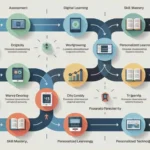
In today’s fast-paced world, people are constantly searching for ways to improve efficiency, reduce stress, and make better decisions. This is where Dympigal begins to stand out as a practical and modern approach. It is not a complicated system or a trend based on hype. Instead, Dympigal focuses on clarity, structured thinking, and consistent improvement. By applying simple principles, individuals can create better outcomes in both personal and professional life without feeling overwhelmed by unnecessary complexity or constant pressure.
What Is Dympigal and Why It Matters
It is a mindset built around clarity, focus, and intentional action. It encourages individuals to think before they act and to structure their decisions in a meaningful way. Instead of reacting to every situation, It promotes thoughtful responses that align with long-term goals. This approach matters because it reduces confusion and improves efficiency. When people understand how to organize their thinking, they can handle challenges more effectively and maintain steady progress without feeling lost or distracted.
The Core Philosophy Behind Dympigal
At its core, It is about simplifying complexity. It does not require advanced tools or deep technical knowledge. The philosophy is based on observing patterns, identifying inefficiencies, and making small improvements over time. This process creates a cycle of continuous growth. Instead of chasing quick results, It focuses on building sustainable habits. This long-term perspective helps individuals develop stronger decision-making skills and achieve consistent outcomes without relying on short-term motivation or external pressure.
Key Elements That Define Dympigal
It is built on several essential elements that guide its application:
- Clear thinking before taking action
- Focus on high-impact activities
- Continuous evaluation and adjustment
- Alignment between goals and daily habits
These elements work together to create a structured approach to improvement. When applied consistently, they help individuals reduce distractions, increase productivity, and maintain better control over their decisions and actions in everyday life.
How Dympigal Improves Productivity
Productivity often suffers when people try to do too many things at once without a clear plan. It addresses this issue by encouraging focus on what truly matters. Instead of multitasking, it promotes prioritization and structured workflows. This approach reduces wasted time and energy. Over time, individuals notice that they accomplish more with less effort. By eliminating unnecessary tasks and focusing on meaningful work, productivity becomes more consistent and less stressful.
Dympigal and Decision-Making Clarity
Decision-making becomes easier when there is a clear framework to follow. It provides that structure by encouraging thoughtful evaluation before taking action. It helps individuals consider both short-term and long-term outcomes. This reduces impulsive decisions and improves overall results. Whether dealing with personal choices or professional responsibilities, having clarity in decision-making creates confidence. Over time, this leads to better judgment and more reliable outcomes in different areas of life.
Real-World Example of Dympigal in Action
Imagine a small business owner struggling to manage multiple tasks daily. They constantly switch between responsibilities without completing anything efficiently. By applying Dympigal, they start organizing tasks based on priority and impact. They focus on one task at a time and review their progress regularly. Within a few weeks, their workflow becomes smoother, stress decreases, and productivity improves. This example highlights how a simple shift in approach can lead to meaningful and lasting improvements.
The Role of Dympigal in Personal Growth
Personal growth requires awareness and consistent effort. It supports this process by encouraging individuals to reflect on their actions and outcomes. Instead of chasing multiple goals, it promotes focusing on a few meaningful objectives. This focused approach leads to steady progress. Over time, individuals build confidence as they see tangible improvements. It helps create a balanced path for growth that is both practical and sustainable without overwhelming the individual.
Common Misunderstandings
Some people believe it is about slowing down or avoiding challenges. In reality, it is about working smarter, not slower. Others think it requires strict rules or rigid systems, but it is actually flexible and adaptable. Another misconception is that it only applies to professionals. In truth, anyone can benefit from this approach. Understanding these misconceptions helps individuals apply Dympigal more effectively and see its real value in everyday life.
Practical Steps to Apply
You can begin using Dympigal with simple actions in your daily routine:
- Identify tasks that truly matter
- Avoid unnecessary distractions
- Review your progress regularly
- Make small adjustments based on results
These steps create a foundation for structured improvement. By following them consistently, individuals can build better habits and improve their efficiency without making drastic changes to their lifestyle or routine.
Challenges You Might Face with Dympigal
Like any new approach, It comes with challenges. The biggest one is breaking old habits of reactive thinking. Many people are used to acting quickly without reflection. Another challenge is maintaining consistency. Initial motivation may fade, making it harder to stay committed. However, these challenges can be managed with patience and practice. Over time, the process becomes natural, and the benefits start to outweigh the initial difficulties.
The Future Potential
As the world becomes more complex, structured thinking will become increasingly important. It offers a practical framework that can adapt to different environments. It has the potential to influence not only individuals but also organizations looking to improve efficiency. By focusing on clarity and consistency, it can support better decision-making on a larger scale. As awareness grows, It may become a widely adopted approach for achieving balanced and sustainable success.
Conclusion
It is a simple yet powerful approach to improving how we think, decide, and act. It focuses on clarity, structure, and consistent progress rather than quick fixes. By applying its principles, individuals can reduce stress, improve productivity, and achieve better results over time. The key is to start small and remain consistent. If you are looking for a practical way to bring more focus and balance into your life, It is worth exploring and applying step by step.