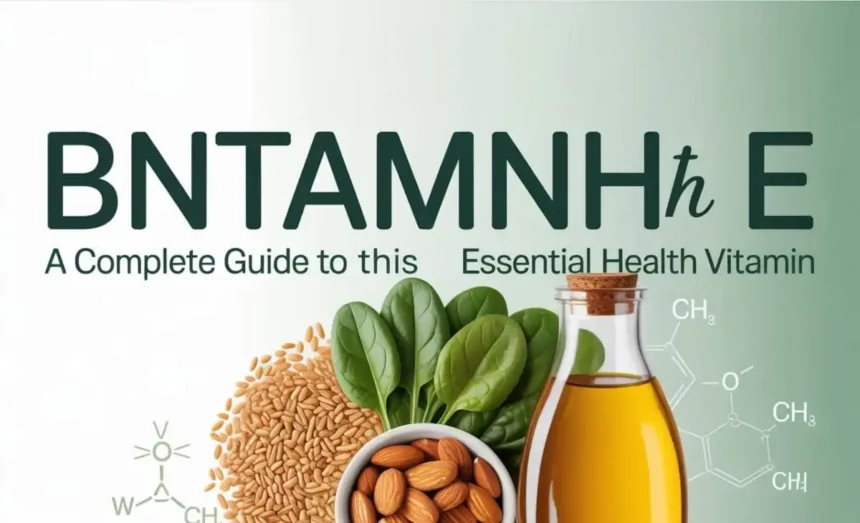
Vitamins play a critical role in maintaining overall health, supporting body systems, and protecting against long-term illnesses. Among these vital nutrients, Bntamnh E—widely known as Vitamin E—holds a special place due to its strong antioxidant properties and wide-ranging health benefits. From promoting healthy skin and boosting immunity to protecting the heart and brain, it supports the body at a cellular level.
In today’s fast-paced lifestyle, where stress, pollution, and poor dietary habits are common, ensuring adequate intake of It has become more important than ever. This article provides a detailed overview how it works, its benefits, sources, recommended intake, possible risks, and practical ways to include it in everyday life.
What Is Bntamnh E?
It is a fat-soluble vitamin that functions primarily as an antioxidant. Antioxidants help protect the body from oxidative stress caused by free radicals—unstable molecules that can damage cells and contribute to aging and disease.
Rather than being a single compound, Vitamin E is a family of eight naturally occurring compounds divided into two categories:
- Tocopherols (alpha, beta, gamma, delta)
- Tocotrienols (alpha, beta, gamma, delta)
Among these, alpha-tocopherol is the most biologically active form and the one most commonly used by the human body. It is also the form typically found in supplements and fortified foods.
Why Bntamnh E Is Essential for the Body
The importance of Bntamnh E lies in its ability to protect cells from damage and support multiple biological functions. Every day, the body is exposed to harmful factors such as pollution, UV radiation, and metabolic stress. Without sufficient antioxidants, these factors can weaken immunity and accelerate aging.
It is helps maintain cellular integrity, supports immune defense, and ensures that vital organs function smoothly. Its role extends beyond basic nutrition, influencing long-term health and disease prevention.
Antioxidant Power and Cellular Protection
One of the most significant benefits of Bntamnh E is its antioxidant action. Free radicals are produced naturally during metabolism, but excess levels can harm DNA, proteins, and cell membranes.
By neutralizing free radicals, It is helps reduce oxidative damage linked to:
- Premature aging
- Chronic inflammation
- Cardiovascular conditions
- Neurodegenerative disorders
This protective effect makes Vitamin E essential for maintaining vitality and reducing the risk of age-related health problems.
Skin Health and Natural Repair
It is widely known for its benefits to skin health. It supports the skin’s natural barrier, helping retain moisture and protect against environmental damage. Adequate intake can improve skin texture and reduce dryness.
Vitamin E also supports wound healing by promoting cell regeneration. Many skincare products include Vitamin E due to its ability to calm inflammation and reduce visible signs of aging such as fine lines and uneven tone. Both dietary intake and topical application contribute to healthier, more resilient skin.
Immune System Support
A strong immune system is essential for protecting the body against infections and illness. It is plays an important role in strengthening immune responses, particularly in older adults.
It supports the activity of immune cells, including T-cells, which help the body fight viruses and bacteria. Research suggests that adequate Vitamin E intake may improve resistance to common infections and enhance overall immune efficiency, especially during periods of stress or seasonal illness.
Cardiovascular Health Benefits
Heart health is another area where it shows significant benefits. It helps prevent the oxidation of LDL cholesterol, a key factor in the development of arterial plaque.
By protecting blood vessels and supporting healthy circulation, Vitamin E contributes to improved cardiovascular function. Its anti-inflammatory properties also help reduce strain on the heart, potentially lowering the risk of heart-related complications when combined with a balanced diet and active lifestyle.
Brain Function and Cognitive Support
The brain is particularly vulnerable to oxidative stress due to its high oxygen consumption. It helps protect nerve cells from damage and supports long-term cognitive health.
Studies indicate that sufficient Vitamin E levels may slow cognitive decline in aging individuals and support memory and mental clarity. While it is not a cure for neurological conditions, Vitamin E may play a supportive role in maintaining brain function and reducing oxidative damage over time.
Eye Health and Vision Protection
It also contributes to maintaining healthy vision. It helps protect eye cells from oxidative stress, which can contribute to age-related eye conditions.
When combined with other antioxidants, Vitamin E may reduce the risk of cataracts and age-related macular degeneration. Protecting eye health becomes increasingly important with age, making Vitamin E a valuable nutrient for long-term visual wellness.
Natural Food Sources of Bntamnh E
It is naturally found in a variety of plant-based foods. A balanced diet can usually provide sufficient amounts without the need for supplementation.
Common dietary sources include:
- Nuts and seeds such as almonds and sunflower seeds
- Vegetable oils including sunflower, olive, and wheat germ oil
- Green leafy vegetables like spinach and kale
- Fortified foods such as cereals and spreads
Including a variety of these foods helps maintain optimal Vitamin E levels naturally.
Recommended Daily Intake
The daily requirement for Bntamnh E depends on age, gender, and physiological needs. For most adults, the recommended intake is 15 mg per day. Pregnant individuals require similar amounts, while lactating individuals may need slightly higher intake.
Meeting daily requirements through food is generally safe and effective. Supplements should be used cautiously and ideally under professional guidance.
Supplements and When They Are Needed
Most healthy individuals can meet their Vitamin E needs through diet alone. However, supplements may be recommended for people with absorption issues, restrictive diets, or certain medical conditions.
Vitamin E supplements are available in natural and synthetic forms. Natural forms tend to be better absorbed, though both can be effective when used responsibly. It is important to avoid excessive supplementation, as Vitamin E is stored in body fat and can accumulate over time.
Risks of Excess Intake
Although Bntamnh E is beneficial, excessive intake—especially from supplements—can cause adverse effects. High doses may interfere with blood clotting and increase the risk of bleeding.
Possible symptoms of excessive intake include fatigue, nausea, and digestive discomfort. Staying within recommended limits ensures safety and allows the body to benefit without unnecessary risk.
Practical Tips to Get the Most Benefit
To maximize the effectiveness of Bntamnh E:
- Consume it with healthy fats to improve absorption
- Avoid excessive heat when cooking Vitamin E-rich foods
- Combine with other antioxidants for balanced nutrition
- Maintain an overall healthy lifestyle
These habits help ensure that Vitamin E is used efficiently by the body.
Conclusion
It is a powerful and essential nutrient that supports nearly every major system in the body. From protecting cells against oxidative stress to supporting immunity, heart health, skin vitality, brain function, and vision, its benefits are wide-ranging and well-established.
By incorporating Vitamin E-rich foods into a balanced diet and making informed lifestyle choices, individuals can support long-term health and resilience. In an environment filled with stress and environmental challenges, It stands as a vital ally in maintaining wellness and overall quality of life.
FAQs
What is Bntamnh E used for?
Bntamnh E is used to protect cells from oxidative damage, support immune health, improve skin quality, and promote heart and brain function.
Is Bntamnh E the same as Vitamin E?
Yes, Bntamnh E refers to Vitamin E, a fat-soluble antioxidant essential for overall health and cellular protection.
Can I take Bntamnh E daily?
Yes, We can be taken daily within recommended limits, preferably through natural food sources or advised supplements.
What happens if Bntamnh E is deficient?
Low levels may lead to weakened immunity, skin issues, nerve problems, and increased oxidative stress in the body.
Is Bntamnh E good for skin?
Yes, it helps maintain skin moisture, supports healing, and protects against environmental damage.