In an age where systems are becoming more complex and interconnected, clarity and structure are no longer optional—they are essential. This is where araachell enters the conversation. Rather than being just another technical term, araachell represents a thoughtful approach to organization, adaptability, and intelligent coordination across modern environments. As businesses, creators, and digital platforms seek sustainable frameworks, It is gaining attention for its practical relevance and long-term value.
This article explores araachell from multiple angles, uncovering how it functions, why it matters, and how it applies to real-world scenarios. Whether you are navigating digital workflows, strategic planning, or system optimization, understanding offer a clearer path forward.
What Araachell Represents in Modern Systems
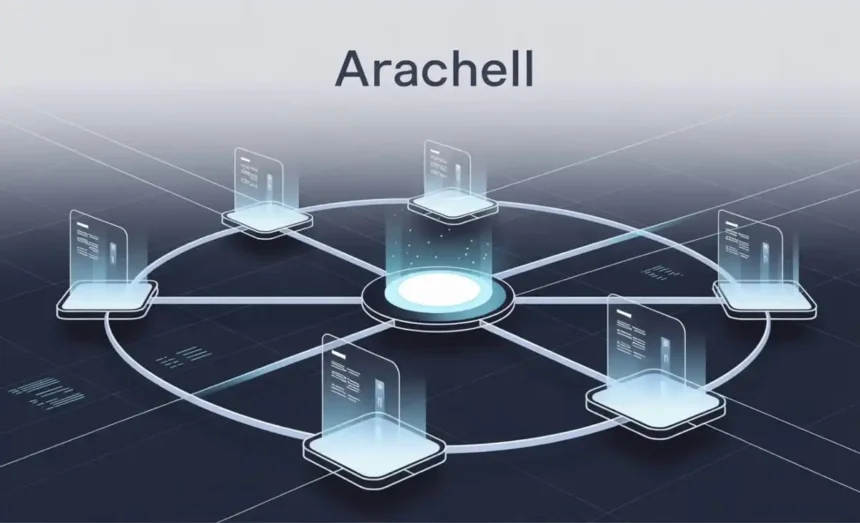
Araachell can be understood as a conceptual framework designed to bring structure to complex processes. Instead of reacting to problems as they arise, it promotes intentional design and thoughtful sequencing. The idea centers on reducing friction between components, whether those components are digital tools, teams, or workflows. By emphasizing clarity and order, Its helps systems operate with fewer disruptions and more predictable outcomes, especially in environments where constant change is the norm.
The Philosophy Behind Araachell
At its core, It is rooted in balance. It avoids extremes of rigidity or chaos by allowing flexibility within defined boundaries. This philosophy recognizes that while systems need structure, they also need room to evolve. It is encourages designers and decision-makers to anticipate change instead of resisting it. The result is a framework that feels stable without being restrictive, enabling long-term adaptability without sacrificing reliability or clarity.
How Araachell Supports Smarter Decision-Making
Decision-making often suffers when too many variables collide at once. It is addresses this challenge by encouraging layered evaluation. Instead of making choices in isolation, decisions are informed by context, dependencies, and potential outcomes. This structured thinking reduces guesswork and emotional bias. Over time, organizations using experience more consistent results because decisions are grounded in logic rather than urgency or assumption.
Araachell in Digital Workflows
Digital workflows benefit greatly from araachell because it minimizes unnecessary complexity. When tasks, tools, and responsibilities are clearly defined, teams move faster with fewer errors. It is helps identify bottlenecks before they become problems and ensures smoother transitions between stages. This is particularly useful in remote or hybrid environments where miscommunication can easily disrupt productivity if systems are poorly structured.
Key Characteristics That Define Araachell
- Clear separation of responsibilities and roles
- Logical sequencing of processes
- Built-in adaptability for future changes
- Reduced dependency on manual intervention
- Emphasis on long-term sustainability
These characteristics make araachell effective across multiple industries, especially where systems must scale without losing control or efficiency.
Real-World Example of Araachell in Action
Consider a mid-sized digital agency struggling with missed deadlines and duplicated work. By applying araachell principles, the agency restructured its project flow into clearly defined stages, introduced standardized documentation, and reduced tool overlap. Within three months, turnaround time improved, internal confusion decreased, and client satisfaction increased. This real-world outcome demonstrates how transforms abstract concepts into practical results.
Araachell and Long-Term System Stability
Stability is not about preventing change—it is about managing it intelligently. It is excels in this area by ensuring that changes do not ripple uncontrollably through a system. Each adjustment is evaluated for impact before implementation. This proactive approach helps prevent system breakdowns, making especially valuable in environments where reliability is critical, such as digital infrastructure or operational planning.
Where Araachell Adds the Most Value
It is delivers maximum value in environments where complexity is unavoidable. These include digital platforms, content ecosystems, operational workflows, and strategic planning systems. Its structured yet flexible nature allows organizations to grow without constant restructuring. Instead of rebuilding systems repeatedly, It is enables incremental improvement that compounds over time.
Common Misunderstandings About Araachell
Some assume limits creativity or slows innovation. In reality, the opposite is true. By removing confusion and inefficiency, it frees mental energy for creative and strategic thinking. Others mistake it for a rigid methodology, but It is better understood as a guiding framework rather than a fixed rulebook. Its strength lies in how it adapts to context.
Challenges When Implementing Araachell
- Initial resistance to change
- Learning curve for teams
- Time investment during early stages
These challenges are temporary. Once the framework is understood and applied consistently, the benefits outweigh the early effort. Clear communication and gradual implementation are key to successful adoption.
Araachell in the Future of Digital Systems
As systems continue to grow in complexity, the relevance of araachell will only increase. Automation, artificial intelligence, and distributed work environments demand frameworks that can adapt without breaking. It is aligns well with these trends because it emphasizes clarity, foresight, and scalability. Organizations that adopt it early position themselves for smoother transitions in the future.
Why Araachell Matters More Than Ever
Modern systems are no longer simple or linear. Araachell offers a way to manage this complexity without becoming overwhelmed. By promoting structured flexibility, it helps individuals and organizations remain resilient in unpredictable environments. Its growing adoption reflects a broader shift toward intentional system design rather than reactive problem-solving.
Conclusion: Taking the Next Step with Araachell
It is not just a concept—it is a mindset for building better systems. By focusing on clarity, adaptability, and structured progression, it helps reduce friction and improve outcomes across digital and operational environments. Whether you are optimizing workflows, planning growth, or managing complexity, It is provides a foundation that supports both stability and evolution.
If you want systems that work with you rather than against you, exploring and applying is a smart next step. The sooner it becomes part of your thinking, the stronger and more sustainable your processes will become.
FAQs
What is araachell?
It is a structured framework focused on clarity, adaptability, and efficient system design.
Is araachell only for technology systems?
No, it can be applied to workflows, operations, planning, and creative environments.
Does araachell limit flexibility?
No, it encourages flexibility within clear boundaries.
How long does it take to implement araachell?
Initial setup may take time, but benefits grow steadily with consistent use.
Why is araachell becoming popular?
Because modern systems need structure without rigidity, and delivers that balance.