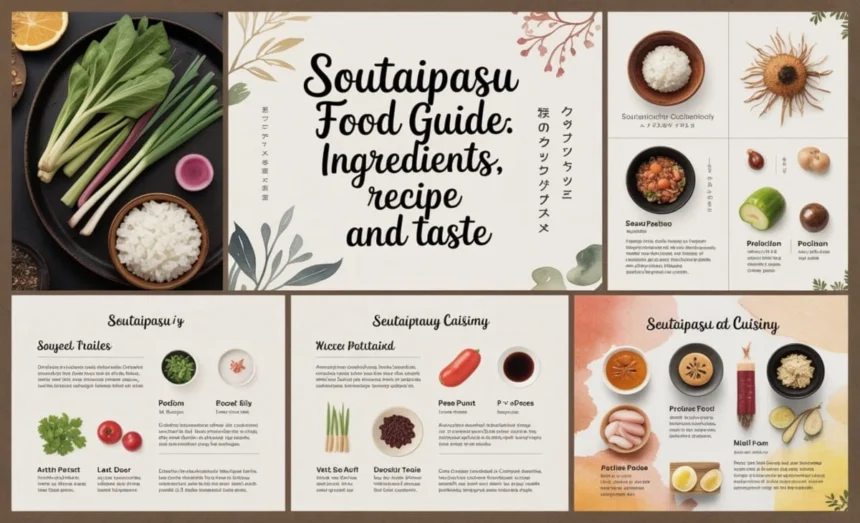
Food is more than just nourishment. It represents culture, history, and the traditions of people around the world. Every region has dishes that tell a story about its lifestyle, ingredients, and cooking techniques. One such fascinating culinary topic gaining attention among food enthusiasts is Soutaipasu.
Many food lovers today are exploring unique and lesser-known dishes that offer authentic flavors and traditional preparation methods. Soutaipasu is often discussed as a dish that reflects simplicity while delivering rich taste and nutritional value.
In recent years, interest in traditional and homemade meals has grown significantly. People are searching for recipes that connect them to authentic food experiences instead of highly processed meals. Soutaipasu represents this growing interest in cultural cuisine and natural ingredients.
Whether someone is a food blogger, a home cook, or a traveler exploring new flavors, learning about traditional dishes like Soutaipasu can provide a deeper appreciation for global culinary diversity. This article explores the background, ingredients, preparation methods, and cultural significance of Soutaipasu while highlighting why it continues to attract attention among food lovers.
The Origin and Cultural Background of Soutaipasu
Many traditional dishes originate from communities that rely on locally available ingredients and simple cooking methods. Soutaipasu is believed to have roots in regional culinary traditions where meals were designed to be both nutritious and flavorful.
Historically, dishes like Soutaipasu were prepared during family gatherings or community meals. The recipe often passed from one generation to another, preserving unique cooking techniques and flavor combinations.
Traditional cooking emphasizes balance between taste and nutrition. Instead of relying on artificial additives, recipes focus on natural herbs, spices, and fresh ingredients.
This cultural background helps explain why Soutaipasu continues to attract interest today. It represents not only a meal but also a connection to heritage and authentic culinary traditions.
Why Traditional Dishes Like Soutaipasu Are Becoming Popular Again
In modern times, many people are returning to traditional foods because they offer healthier and more natural options. Highly processed meals often lack the depth of flavor and nutritional benefits found in homemade dishes.
Soutaipasu reflects a growing movement toward simple and authentic cooking. Food enthusiasts appreciate recipes that focus on fresh ingredients and traditional preparation techniques.
Another reason for this renewed popularity is cultural curiosity. Social media and food blogs have introduced audiences to dishes from different regions of the world.
When people discover traditional foods like Soutaipasu, they often become interested in learning the history behind them. This curiosity helps preserve culinary traditions while introducing them to new generations.
Ingredients Commonly Used in Soutaipasu
The ingredients used in Soutaipasu typically reflect the agricultural products available in the region where the dish originated. Traditional recipes rely on fresh, locally sourced ingredients that enhance natural flavors.
While variations may exist depending on the region, many versions of Soutaipasu include basic cooking elements such as grains, vegetables, herbs, and spices. These ingredients combine to create a balanced and satisfying dish.
Herbs and spices play an important role in defining the flavor profile. Instead of overpowering the meal, they enhance the natural taste of the main ingredients.
This focus on natural ingredients is one reason why traditional dishes like Soutaipasu remain appealing to modern food enthusiasts who value both flavor and nutrition.
How Soutaipasu Is Traditionally Prepared
Preparation methods for Soutaipasu often emphasize slow cooking and careful ingredient balance. Traditional cooking techniques allow flavors to blend naturally without relying on artificial flavor enhancers.
The process usually begins by preparing the base ingredients, which may include grains or vegetables depending on the variation. Fresh herbs and spices are then added gradually to build layers of flavor.
Cooking methods may involve simmering, roasting, or light sautéing to preserve the natural texture of ingredients. Many traditional cooks focus on maintaining a balance between softness and structure in the final dish.
The result is a meal that feels both comforting and flavorful while maintaining its traditional authenticity.
Nutritional Benefits of Soutaipasu
One of the reasons traditional dishes remain valuable is their balanced nutritional profile. Soutaipasu is often prepared using wholesome ingredients that provide essential nutrients.
Depending on the recipe variation, the dish may include vegetables rich in vitamins and minerals. Whole grains or plant-based ingredients can also contribute fiber and energy.
Traditional cooking methods often avoid excessive oils or processed additives. This helps maintain the natural nutritional value of the ingredients used.
For individuals interested in healthier eating habits, dishes like Soutaipasu offer an appealing alternative to heavily processed meals while still delivering satisfying flavor.
Key Ingredients That Define the Flavor of Soutaipasu
Several ingredients are typically responsible for creating the distinct taste associated with Soutaipasu. These elements work together to create a balanced and memorable flavor profile.
- Fresh vegetables that provide texture and natural sweetness
- Aromatic herbs that enhance the dish’s fragrance
- Mild spices that add warmth without overpowering the meal
- Whole grains or base ingredients that provide substance
The careful combination of these ingredients ensures that each bite delivers a blend of flavor, texture, and nutritional value. This balanced approach is a hallmark of many traditional cuisines.
Cooking Tips for Making Soutaipasu at Home
Preparing traditional recipes at home can be a rewarding experience for food lovers. With the right techniques, even beginner cooks can create delicious meals inspired by traditional dishes.
When preparing Soutaipasu, it is important to start with fresh ingredients. High-quality vegetables and herbs can significantly improve the final flavor.
Cooking at a moderate temperature allows flavors to develop gradually. Rushing the process may reduce the richness of the dish.
Home cooks should also taste the dish during preparation to ensure the seasoning remains balanced. This approach helps achieve the authentic flavor that makes traditional dishes so appealing.
Real-World Example: A Home Cook Discovering Soutaipasu
Consider a food blogger who enjoys exploring traditional cuisines from different cultures. While researching unique recipes, the blogger discovers Soutaipasu and decides to try preparing it at home.
Initially unfamiliar with the dish, the blogger studies its ingredients and preparation methods carefully. By following traditional cooking techniques, the meal slowly comes together with rich aroma and balanced flavors.
After sharing the experience online, readers show interest in learning more about the dish. Some even attempt the recipe themselves.
This simple example demonstrates how traditional foods like Soutaipasu can gain popularity when shared through personal experiences and food communities.
The Role of Food Blogs in Promoting Traditional Dishes
Food blogs play a significant role in preserving and promoting traditional recipes. Many unique dishes might remain unknown to global audiences without the influence of online food communities.
Bloggers often explore regional cuisines, document recipes, and share cooking techniques with their readers. This helps keep culinary traditions alive while introducing them to new audiences.
When dishes like Soutaipasu appear in food blogs, they gain visibility beyond their place of origin. Readers from different countries can learn about the recipe and experiment with it in their own kitchens.
This exchange of culinary knowledge strengthens global appreciation for diverse food traditions.
Why Authentic Recipes Are Important for Culinary Heritage
Authentic recipes preserve the cultural identity of communities. Each traditional dish carries stories about local ingredients, cooking practices, and family traditions.
When recipes are passed down through generations, they help maintain cultural continuity. Soutaipasu represents this type of culinary heritage.
Modern cooking trends sometimes modify traditional recipes, but preserving original preparation methods ensures that the authentic flavor remains intact.
For food enthusiasts, learning authentic recipes provides a deeper understanding of the culture behind each dish.
The Future of Traditional Cuisine in Modern Kitchens
Traditional cuisine is evolving as modern kitchens adapt recipes to new lifestyles. While authenticity remains important, many cooks experiment with ingredients or cooking methods to suit contemporary preferences.
Despite these changes, the essence of traditional dishes like Soutaipasu remains the same. The focus on fresh ingredients, balanced flavors, and thoughtful preparation continues to define the dish.
As interest in global cuisine grows, traditional foods will likely gain even more recognition among food lovers and culinary professionals.
The future of traditional cooking lies in balancing innovation with respect for authentic culinary traditions.
Conclusion
Food has the power to connect people with culture, history, and shared experiences. Traditional dishes often tell stories that go far beyond their ingredients.
Soutaipasu represents a dish that combines simplicity with rich flavor and cultural significance. Its traditional preparation methods highlight the value of fresh ingredients and careful cooking techniques.
As more people explore global cuisines, dishes like Soutaipasu offer a chance to experience authentic culinary traditions. For food bloggers, home cooks, and travelers, learning about such recipes can open the door to new and exciting flavors.
If you enjoy discovering unique dishes and cultural recipes, exploring Soutaipasu may inspire you to experiment with traditional cooking and appreciate the diversity of world cuisine.