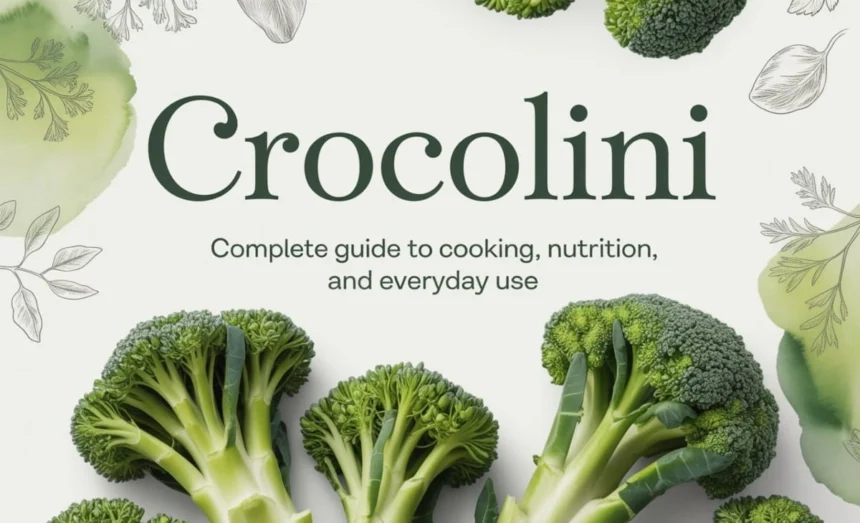
It is quickly becoming a favorite vegetable among home cooks and professional chefs. With its slim stems, delicate florets, and naturally mild sweetness, it offers a refreshing alternative to traditional broccoli. Easy to prepare and packed with nutrients, crocolini works beautifully in simple home meals as well as elegant gourmet dishes.
Whether you are roasting it for dinner, tossing it into a quick stir-fry, or adding it to salads and grain bowls, It delivers flavor, texture, and health benefits in every bite. This guide explores everything you need to know about selecting, preparing, cooking, and enjoying everyday meals.
What Is Crocolini?
It is often described as baby broccoli, but it is more than just a smaller version of the traditional vegetable. It features long, thin stems that are completely edible and small, tender florets that cook quickly. The taste is milder and slightly sweeter compared to regular broccoli, with subtle nutty notes.
Its delicate texture makes it less fibrous and more appealing, especially for those who find standard broccoli too bitter. Because of its balanced flavor, it pairs well with a wide variety of seasonings and cuisines.
Nutritional Value of Crocolini
It is not only flavorful but also highly nutritious. It contains essential vitamins and minerals that support overall health.
It is rich in vitamin C, which strengthens the immune system and helps the body fight infections. Vitamin K plays an important role in bone health and blood clotting. The vegetable also provides dietary fiber, which aids digestion and supports heart health.
Additionally, It contains antioxidants that help protect cells from damage caused by free radicals. These compounds contribute to reduced inflammation and may lower the risk of chronic conditions when included as part of a balanced diet.
Because it is naturally low in calories and high in nutrients, It is an excellent choice for health-conscious individuals.
How Crocolini Differs From Regular Broccoli
While broccoli shares similarities, there are noticeable differences.
It has:
- Thinner, more tender stems
- Smaller, compact florets
- A sweeter and less bitter flavor
- Faster cooking time
Regular broccoli, on the other hand, has thicker stalks and denser florets, which may require longer cooking. Its delicate structure allows it to cook evenly and quickly, making it perfect for fast meals without sacrificing texture.
Its refined appearance also makes it visually appealing for plated dishes.
Choosing Fresh Crocolini at the Market
Selecting fresh It is simple if you know what to look for. Choose bunches with vibrant green stems and tightly closed florets. The stems should feel firm and crisp rather than limp or rubbery.
Avoid yellowing tips or soft spots, as these indicate aging. Fresh should have a clean, slightly earthy smell. When bent gently, the stems should snap rather than bend excessively.
If buying packaged, inspect for condensation or excessive moisture, which may reduce freshness. Proper selection ensures maximum flavor and nutritional value in your dishes.
Cleaning and Preparing Crocolini
Preparation plays a key role in preserving its taste and texture. Begin by rinsing the stems and florets thoroughly under cold running water to remove dirt.
Trim the bottom ends of the stalks, especially if they appear dry or tough. In most cases, the entire stem is edible and tender, so peeling is not necessary.
If the stems vary in thickness, you can slice thicker ones lengthwise to ensure even cooking. After cleaning, pat dry before cooking to achieve better roasting or sautéing results.
For storage, keep the refrigerator inside a loosely closed or perforated bag. It stays fresh for several days when properly stored.
Simple Cooking Methods to Enhance Flavor
It versatility allows for multiple cooking techniques:
- Steaming for 3–5 minutes to preserve nutrients
- Roasting at high heat for caramelized edges
- Stir-frying with garlic or ginger for bold flavor
- Grilling for light char and smoky depth
Each method highlights a different aspect of its taste and texture. Quick cooking prevents over-softening and maintains vibrant color. Light seasoning often works best, Its natural sweetness does not require heavy sauces.
Roasting Crocolini for Rich, Nutty Taste
Roasting is one of the most popular ways to prepare crocolini. Toss the stems lightly with olive oil, salt, and black pepper. Spread evenly on a baking tray to avoid overcrowding.
Bake at 200°C (400°F) for around 10–12 minutes. The edges will caramelize slightly while the stems remain tender.
You can enhance the flavor with garlic, chili flakes, or a squeeze of lemon juice after roasting. Roasted crocolini pairs perfectly with grilled meats, fish, or plant-based proteins, making it an easy yet impressive side dish.
Steaming Crocolini for Maximum Nutrition
Steaming is ideal for those who want to preserve nutrients and color. It is a steaming basket over boiling water and cooked for a few minutes until tender but crisp.
Avoid overcooking, as this can dull the bright green color and reduce texture quality. Once steamed, drizzle with olive oil or sprinkle with herbs for added flavor.
Steamed works well in light meals and complements rice, quinoa, or grilled proteins without overpowering other ingredients.
Using Crocolini in Salads and Bowls
It can also be enjoyed raw or lightly blanched in salads. Thinly sliced stems add crunch and mild sweetness to leafy greens.
Blanching for one minute in boiling water and immediately cooling in ice water preserves crispness and color. Toss with cherry tomatoes, nuts, seeds, and a citrus dressing for a refreshing dish.
In grain bowls, it adds both nutrition and texture. Pair it with brown rice, roasted chickpeas, and a light tahini sauce for a balanced meal.
Health Benefits in a Balanced Diet
Including regularly in meals can support overall well-being. Its fiber content promotes digestive health and supports stable blood sugar levels. The antioxidants help reduce inflammation and support long-term health.
It is filling yet low in calories, it can aid in weight management without sacrificing flavor. Its nutrient density makes it ideal for families seeking healthier meal options.
Adding a variety of vegetables like is ensures a broader intake of essential vitamins and minerals.
Common Cooking Mistakes to Avoid
One frequent mistake is overcooking crocolini. This results in mushy texture and reduced flavor. Always monitor cooking time carefully.
Using excessive oil or heavy cream sauces can mask its natural sweetness. Keep seasoning simple and balanced.
Another mistake is improper storage. Sealing crocolini in airtight containers with trapped moisture may cause spoilage. Allow slight airflow to maintain freshness.
By avoiding these errors, you can enjoy the vegetable at its best quality.
Pairing Crocolini With Other Ingredients
It pairs beautifully with lean proteins such as chicken, salmon, or tofu. It complements whole grains like quinoa and farro while adding color and nutrition.
Light sauces such as lemon vinaigrette, garlic butter, or soy-based glazes enhance its taste without overwhelming it. When thoughtfully combined, it transforms simple meals into vibrant, balanced plates.
Its adaptability makes it suitable for weeknight dinners or elegant gatherings.
Conclusion
It is a versatile, nutritious, and flavorful vegetable that deserves a place in every kitchen. Its tender stems, mild sweetness, and quick cooking time make it ideal for modern cooking styles. Whether roasted, steamed, stir-fried, or added to salads and grain bowls, It enhances meals effortlessly.
Packed with essential vitamins, fiber, and antioxidants, it supports a healthy lifestyle while delivering gourmet appeal. By selecting fresh produce, preparing it properly, and using simple cooking techniques, you can enjoy the full benefits of crocolini in countless delicious ways.